

Understanding the 3 Different Types of Condensation — And What They Mean for Your Home
Condensation is something most homeowners notice at one point or another—whether it’s foggy windows on a chilly morning or persistent damp patches that never seem to dry. While condensation might look harmless at first, it can eventually lead to mould, damp, and even long-term damage if not addressed properly.
To tackle the issue effectively, it’s important to understand that not all condensation is the same. In fact, there are three main types, each with its own cause, warning signs, and solutions.
Let’s break them down.
1. Surface Condensation
The most common—and the easiest to spot.
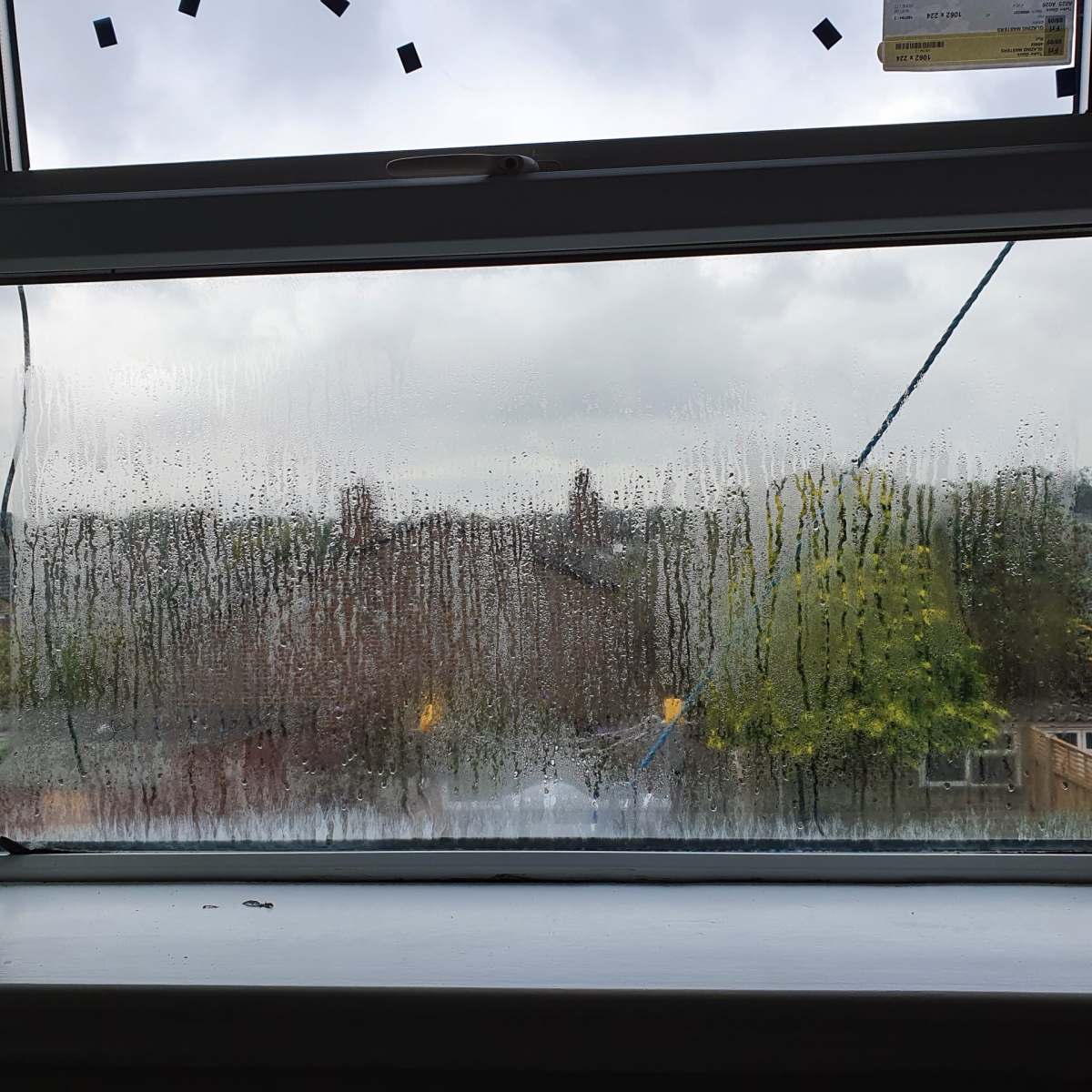
Surface condensation forms when warm, moisture-filled indoor air hits a cold surface, such as the inside of a window. The temperature difference makes the moisture in the air turn into tiny droplets on the glass.
What causes it?
- Everyday activities like cooking, showering, or drying clothes indoors
- Poor ventilation
- Cold weather
- Blocked or closed trickle vents
What it looks like:
- Water droplets forming on interior glass
- Mist or fog that clears when wiped
- Damp patches around window frames
How to reduce it:
- Use extractor fans in kitchens and bathrooms
- Keep trickle vents open
- Improve ventilation
- Avoid drying clothes inside
- Consider upgrading to double or triple glazing if the issue is persistent
2. Interstitial Condensation
Hidden condensation that forms inside the structure of your home.
This type of condensation is trickier because it occurs within walls, floors, roofing layers, or inside double-glazed units. It happens when moist air penetrates building materials and condenses where the temperature drops.
What causes it?
- Poor insulation
- Damaged or old glazing seals
- Gaps in building fabric
- Moisture entering the home and becoming trapped
- Incorrectly installed vapour barriers
What it looks like:
You may not see the condensation itself, but you might notice:
- Damp patches appearing on walls
- Peeling paint or wallpaper
- Mould growth
- Window units that look “misted up” between the panes
How to fix it:
Because interstitial condensation is hidden, it often needs professional assessment. In double glazing, misting between panels is a clear sign the unit has failed and needs replacing.
3. Cold-Bridge (Thermal Bridge) Condensation
Condensation caused by structural cold spots.
Cold-bridge condensation happens when an area of the building becomes significantly colder than the surrounding surfaces. This cold spot acts like a magnet for moisture, causing condensation to form just in that area.
What causes it?
- Poorly insulated corners, edges, or junctions
- Metal frames with no thermal break
- Single glazed windows
- Gaps in loft insulation or wall insulation
- Cold structural elements transferring heat out of the building
What it looks like:
- Localised damp patches (often in corners or around window reveals)
- Mould forming in specific, recurring spots
- Water droplets appearing in isolated areas
How to resolve it:
- Improve insulation in cold spots
- Upgrade to energy-efficient glazing
- Reduce indoor humidity levels
- Repair any construction faults that create cold bridges
Why Understanding Condensation Matters
Ignoring condensation doesn’t make it go away—it allows mould, damp, and poor air quality to quietly build up, potentially damaging your home and impacting your health.
By identifying which type of condensation you’re dealing with, you can find the most effective, long-lasting solution.
If condensation is appearing between the panes of your double glazing, or if you suspect poor insulation in your windows or doors, it’s likely time for a professional assessment.
Need Help Solving Your Condensation Problems?
Our expert team at Contact Glazing Masters can diagnose the cause and provide reliable solutions, from replacing failed double-glazed units to upgrading your home’s glazing for better insulation and comfort.
Get in touch today to restore clarity, warmth, and peace of mind to your home.