

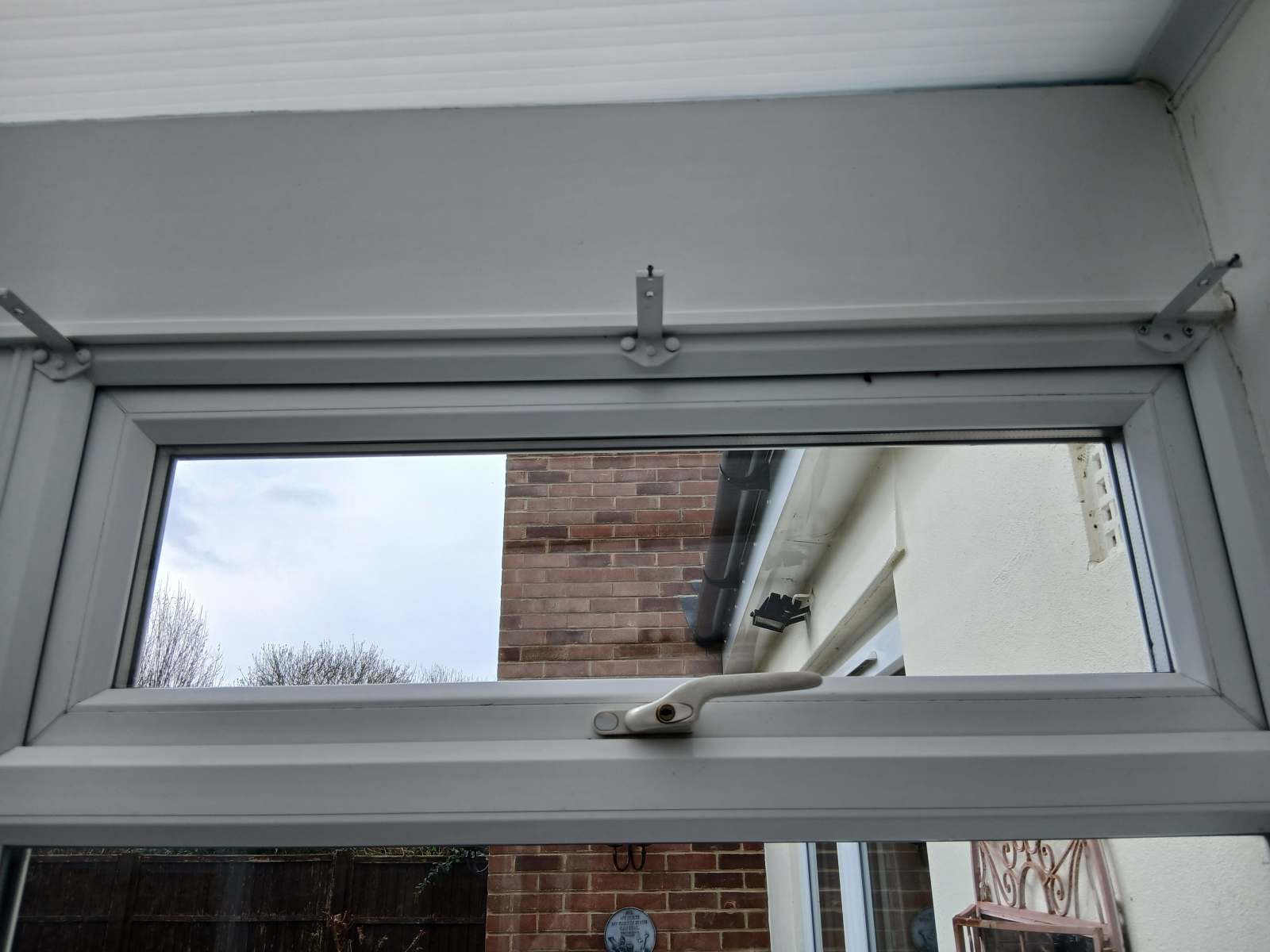
Whilst the temperatures stay high across Essex, many homeowners in colder areas might be waking up to misty, foggy windows. On a colder morning, it’s a common sight — but how do you tell whether you’re looking at harmless surface moisture or a broken seal that requires attention?
Understanding the difference between simple condensation and a failed window seal can save you time, hassle, and unnecessary expense. Here is a practical guide from the team at Glazing Masters to help you diagnose your windows.
1. Simple Surface Condensation (Normal Behavior)
Condensation happens when warm, humid air inside your home meets a cold glass surface. Moisture in the air turns into liquid droplets on the pane.
-
The Quick Check: Try to wipe the moisture away using a cloth or your finger.
-
The Diagnosis: If the condensation is on the inside surface of your warm room or on the outside surface of the exterior pane, your window is performing as expected. In fact, external condensation often proves that your window is highly energy-efficient, keeping heat locked inside your house!
2. What Does a “Blown” Window Mean?
Modern double glazing relies on Double Glazed Units, which consist of two glass panes separated by a spacer bar and hermetically sealed. The void between the glass is filled with dry air or an insulating gas like argon.
A window is described as “blown” (or failed) when this airtight perimeter seal degrades or breaks down.
When the seal breaks, moist ambient air leaks into the gap between the two panes. As temperatures change, that trapped air condenses inside the unit itself.
Key Signs Your Window Is Blown:
-
Trapped Moisture: Fog, droplets, or streaks appear between the two panes of glass where you cannot wipe them away.
-
Hazy or Cloudy Glass: The glass looks permanently smeared, white, or cloudy even after cleaning both exterior sides.
-
Puddling Inside the Cavity: In severe cases, liquid water accumulates at the bottom edge between the panes.
3. What Causes Window Seals to Fail?
Double glazed window seals are designed to endure years of British weather, but several factors can lead to failure over time:
-
Age and Thermal Expansion: Over 10–15 years, constant expansion and contraction from sunshine and frost gradually weaken the rubber and butyl sealants.
-
Water Retention: Poor drainage inside the uPVC frame can allow standing water to sit around the unit edge, rotting the sealant.
-
Chemical Damage: Aggressive chemical cleaners or harsh abrasive chemicals can break down seals prematurely.
4. Do You Need to Replace the Whole Window?
No! A common misconception among homeowners is that a blown window means buying a brand-new uPVC frame and full window installation.
In almost all cases, only the glass unit needs to be replaced. The existing frame, handles, and hinges remain completely intact. Replacing just the glass unit is significantly faster, far less disruptive, and much kinder to your budget.
Get Expert Help from Glazing Masters in Essex
If you’ve spotted mist trapped inside your Double Glazed Units, don’t wait for energy bills to creep up or cold draughts to start.
At Glazing Masters, we provide fast, professional, and affordable replacements across Essex. We measure and manufacture custom replacement glass units that slot seamlessly into your existing frames, restoring crystal-clear views and maximum energy efficiency to your home.
Contact Glazing Masters today for advice or a free, no-obligation quote!