

Low E – What is it?
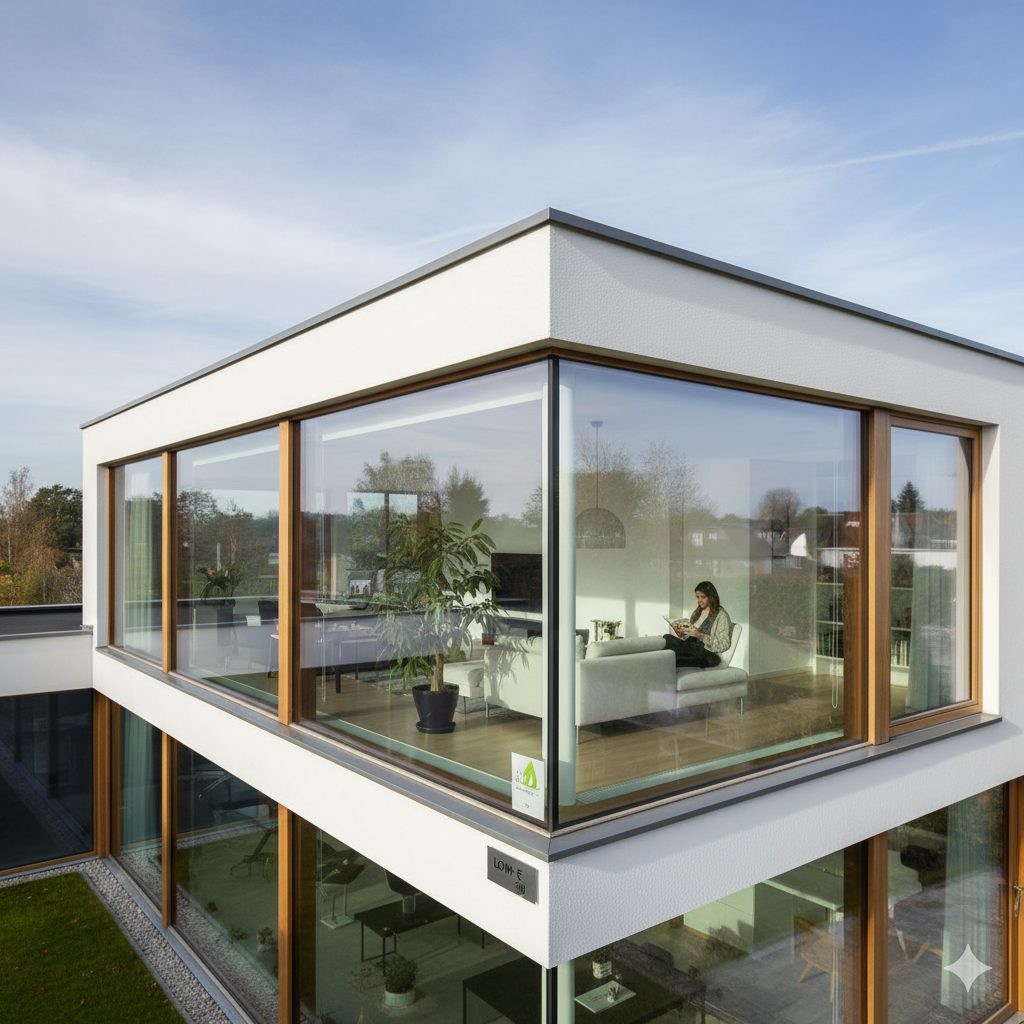
As the calendar turns to January 2026, many of us are looking at our first post-holiday energy bills and feeling the chill—both literally and financially. If your “New Year’s Resolution” list includes reducing household expenses, replacing your double glazing is one of the most impactful strategies you can adopt.
While it’s a significant upfront investment, upgrading your windows isn’t just a cosmetic fix; it’s a high-performance upgrade to your home’s thermal envelope. Here is why making 2026 the year for new glazing could be your smartest financial move.
Why 2026 is the Year to Upgrade
Energy standards and glazing technology have leapfrogged in recent years. If your double glazing is 20 years old, it is likely underperforming compared to modern standards.
-
Tighter Regulations: UK building regulations in 2026 (Approved Document L) now demand much higher thermal efficiency. Modern units often feature Low-E (low emissivity) coatings that reflect heat back into your room rather than letting it escape.
-
The Argon Advantage: Most 2026-spec windows use Argon or Krypton gas between the panes. These gases are denser than air, creating a much more effective “thermal blanket.”
-
The U-Value Factor: Thermal performance is measured by U-values. Older double glazing often has a U-value of 3.0 or higher, whereas high-performance 2026 units can reach as low as 1.2 W/m²K. The lower the number, the more money stays in your pocket.
How Much Can You Actually Save?
Data from the Energy Saving Trust and recent 2025/2026 market analysis suggest that replacing single glazing or failing double glazing can lead to substantial annual savings:
| Property Type | Estimated Annual Saving (A-Rated) | Carbon Reduction |
| Detached House | £185 – £210 | ~410kg $CO_2$ |
| Semi-Detached | £145 – £165 | ~330kg $CO_2$ |
| Bungalow | £100 – £125 | ~220kg $CO_2$ |
Note: Actual savings depend on your heating source and local energy price caps.
Don’t Miss Out: Grants and Incentives
Before you pay full price, check if you are eligible for 2026 support schemes. The landscape for green grants is shifting:
-
The Warm Homes: Local Grant: Open through 2026, this offers up to £15,000 for energy performance upgrades (including glazing) for low-income households with an EPC rating of D–G.
-
ECO4 Scheme: This scheme is set to close in April 2026. If you receive certain benefits, you may be eligible for free or heavily subsidized window replacements, but you must act quickly before the funding window shuts.
-
Home Energy Scotland: Provides interest-free loans up to £8,000 for window upgrades.
2026 Trends: Triple Glazing & Vacuum Insulated Glass (VIG)
If you’re replacing windows this year, keep an eye on these emerging standards:
-
Triple Glazing: Once a luxury, it’s becoming the “standard” for those serious about noise reduction and extreme heat retention.
-
Vacuum Glazing (VIG): These ultra-slim units offer the insulation of triple glazing in the thickness of a single pane—perfect for period properties where you want to keep the original look but lose the draft.
Final Thoughts
Replacing your windows is more than just a renovation; it’s a hedge against rising energy costs. By upgrading, you aren’t just “buying glass”—you’re buying lower bills, a quieter home, and a higher property valuation.
Would you like us to help you this year? Contact Us for a Free Quote!
#WindowRepair #GlazingReplacement #HomeImprovement #EcoFriendlyLiving #SustainableHome #DIYHome #EnergyEfficiency #CostEffective #WindowUpgrade #SaveMoney #GreenLiving #HomeRenovation #GlassReplacement #ReduceReuseRecycle #HomeMaintenance